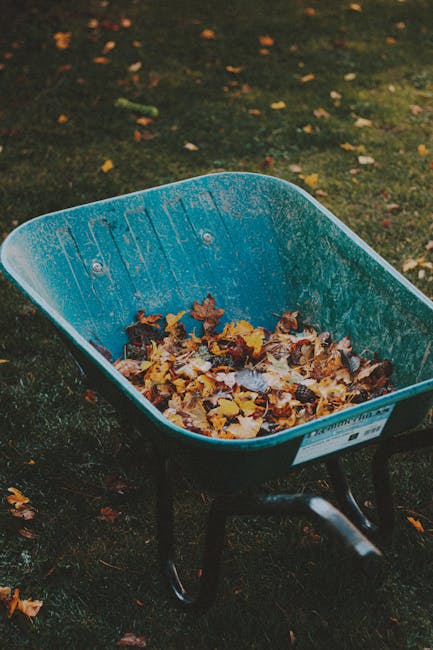
Hackney Wick garden clearance and recycling E9 gardeners
If your outdoor space in Hackney Wick has started to feel more like a holding zone for broken pots, tangled ivy, bagged soil, and last autumn's pruning than a garden, you are not alone. Many E9 homes and courtyards only need a proper reset, not a full redesign. That is where Hackney Wick garden clearance and recycling E9 gardeners comes in: a practical, tidy, and environmentally sensible way to clear overgrowth, remove green waste, sort reusable materials, and get your garden back to something you actually want to use.
Truth be told, garden clearance is rarely just "rubbish removal". In a place like Hackney Wick, where spaces can be compact, shared, awkwardly accessed, or a bit of both, the job often needs a careful eye. You want debris out, but you also want as much as possible recycled, composted, or reused responsibly. This guide walks through how the service works, what to expect, who it helps most, and how to choose the right approach without wasting time or money. If you are also looking at wider outdoor maintenance, you may find our garden maintenance support in Hackney useful alongside a one-off clearance.
In short: if your garden is cluttered, overgrown, or full of green waste after a busy season, the right clearance service can make the difference between a stressful weekend and a calm, usable outdoor space. And yes, the difference is often bigger than people expect.
Table of Contents
- Why Hackney Wick garden clearance and recycling E9 gardeners Matters
- How Hackney Wick garden clearance and recycling E9 gardeners Works
- Key Benefits and Practical Advantages
- Who This Is For and When It Makes Sense
- Step-by-Step Guidance
- Expert Tips for Better Results
- Common Mistakes to Avoid
- Tools, Resources and Recommendations
- Law, Compliance, Standards, or Best Practice
- Options, Methods, or Comparison Table
- Case Study or Real-World Example
- Practical Checklist
- Conclusion
- Frequently Asked Questions
Why Hackney Wick garden clearance and recycling E9 gardeners Matters
Garden clearance matters because clutter grows quietly. One bag of trimmings becomes three. A dead shrub sits in the corner. A few bits of timber, a broken planter, a rusted metal frame, maybe an old BBQ that "will be dealt with next weekend" - and suddenly the whole space feels smaller, heavier, and less usable. In Hackney Wick, where gardens and yards can be narrow or tucked behind buildings, that clutter can take over fast.
A good clearance service does more than make things look neat. It helps restore function. You can get back to planting, seating, drying washing, storing tools properly, or just opening the back door without feeling a bit cross every time you look out. That practical reset is often the real value.
Recycling is the other half of the story. Not every clearance has to end with a van full of mixed waste heading off to be treated as general rubbish. A thoughtful team will separate green waste, wood, metal, soil, hard plastics, and reusable items where possible. That matters because it reduces landfill pressure and can lower the overall environmental impact of the job. It also tends to create a more disciplined process, which is usually a good sign.
To be fair, a lot of people only start thinking about clearance when the garden becomes a problem rather than a pleasure. That's normal. But the earlier you deal with it, the easier and cheaper it usually is.
There is also a safety angle that people sometimes miss. Slippery moss, hidden broken glass, unstable stacked pots, and dense bramble growth can all create nuisance or injury risks. If you have a busy household, pets, or shared access, clearing things properly can make everyday life feel calmer straight away. A small job on paper can be a real quality-of-life upgrade in practice.
How Hackney Wick garden clearance and recycling E9 gardeners Works
The process is usually straightforward, though the details depend on the size and condition of the space. In most cases, it starts with an assessment. A gardener or clearance team will look at access, the volume of waste, what needs cutting back, what can be reused, and whether any items require special handling. A cramped rear alley, a shared gate, or a fifth-floor terrace changes the plan quite a bit.
Once the scope is clear, the team will usually separate the work into a few parts:
- Cutting back growth such as brambles, hedges, climbers, and self-seeded plants.
- Collecting green waste like branches, leaves, grass cuttings, and plant material.
- Removing bulky items such as broken pots, old furniture, planters, timber, or fencing offcuts.
- Sorting recyclable material so wood, metal, soil, and green waste can be handled appropriately.
- Sweeping and tidying so the space is left in a usable state, not just emptied.
If there are more technical jobs involved, such as stump removal or heavy soil relocation, the team may bring in additional tools or suggest a follow-up visit. That is sensible, really. A rushed clearance that ignores what is actually under the surface tends to create more work later.
Some clients prefer a one-off deep clear before replanting. Others want a lighter seasonal reset every few months. Both approaches can work. The right choice depends on how fast your garden fills up and how much upkeep you want to handle yourself.
If you are planning to reorganise the garden after clearance, you might also want to look at our hedge trimming service and lawn care in Hackney so the cleared space becomes genuinely manageable rather than just bare for a week or two.
A clear brief helps a lot. If you can point out what must go, what should stay, and what you are unsure about, the job usually runs more smoothly. No mystery piles. No guesswork. That alone saves time.
Key Benefits and Practical Advantages
The biggest benefit is obvious: you get your space back. But there are several knock-on advantages that are easy to underestimate until you see them in person.
- More usable outdoor space - a clear patio or garden can suddenly work for seating, planting, or storage again.
- Better recycling outcomes - separating green waste and recyclable materials reduces avoidable landfill disposal.
- Less stress - a tidy, manageable garden is simply easier to live with.
- Improved safety - fewer trip hazards, fewer hidden sharp edges, fewer damp, rotting corners.
- Easier follow-up gardening - planting, mowing, weeding, and watering all become simpler after a proper clear.
- Better first impression - important if you are renting, selling, or sharing a property.
There is also the efficiency factor. A trained gardener or clearance team usually works in a more structured way than a DIY weekend blitz. They know how to move through a site without trampling plants you want to keep. They know which waste can be separated, and they often have the right kit to shift awkward loads without endless back-and-forth.
Expert summary: The best garden clearance is not just the fastest clean-up; it is the one that leaves the site safer, more usable, and easier to maintain next time. Recycling is part of that, not an add-on.
And yes, sometimes the emotional benefit is real too. People feel oddly lighter when a garden is sorted. You hear birds again. You see the paving. You notice the light. Sounds a bit poetic, maybe, but it happens.
Who This Is For and When It Makes Sense
This service suits a wide mix of people in Hackney Wick and the surrounding E9 area. If any of the scenarios below sound familiar, you are probably in the right place.
- Homeowners whose gardens have become overgrown after a busy season or a long period of neglect.
- Tenants who need an outdoor space cleared before moving out or before a landlord inspection.
- Landlords and letting agents managing a property that needs a quick but decent reset between occupiers.
- Busy families who want the garden safe and usable without dedicating several weekends to it.
- Older residents who can manage some light upkeep but need help with the heavy lifting.
- Small businesses and shared premises with courtyards, planters, or frontage areas that gather waste and debris.
It also makes sense after a storm, a long wet spell, or a period when the garden has simply been ignored because, well, life got in the way. That happens more than people admit. One weekend you are thinking "I'll sort it out soon", and then six weeks later the ivy has other plans.
If your space includes composting areas, containers, or a mix of decorative and functional planting, a tailored clearance is better than a blunt strip-out. Not everything needs to be removed. In fact, over-clearing can set a garden back. A skilled gardener will know the difference.
Step-by-Step Guidance
If you are booking clearance for the first time, it helps to know what the process usually looks like from start to finish. Here is a practical breakdown.
- Survey the space
Walk the garden and identify what needs to go, what should stay, and what you are not sure about. If access is tight, mention gates, stairs, parking, or shared entrances early. - Sort items into simple groups
Green waste, timber, metal, soil, mixed rubbish, reusable items, and anything hazardous should be separated as far as possible. - Decide on the finish level
Do you want a full strip-back, a tidy and remove service, or a clearance plus light pruning? Be specific. It avoids misunderstanding later. - Protect plants you want to keep
Mark beds, shrubs, pots, or climbers that should not be touched. A quick tape marker or note can save a lot of guessing. - Carry out the clearance
Cutting, collecting, loading, and sweeping happen in a sequence that keeps the site manageable. Good teams do not just pile everything in one corner and hope for the best. - Check the final result
Look for hidden debris, broken stakes, buried waste, and missed edges. A quick final walk-through is worth it. - Plan the next step
After clearance, decide whether you want mulching, replanting, soil improvement, or a regular maintenance schedule.
That final step matters more than people think. A freshly cleared garden can go from encouraging to messy again surprisingly fast if no follow-up plan exists. It does not need to be elaborate. Even a small maintenance routine helps.
Expert Tips for Better Results
After enough garden clearances, a few patterns become obvious. The jobs that go smoothly almost always have the same ingredients: clear expectations, decent access, and a sensible finish plan.
1. Photograph the garden before the work starts. It sounds basic, but photos help everyone agree on what is there, what stays, and what gets removed. They also help if you are managing a rental or shared property.
2. Separate "must-go" from "maybe". If you are unsure about an item, place it in a maybe pile rather than letting it disappear by accident. You would be surprised how often an old terracotta pot turns out to be the one thing someone actually wanted to keep.
3. Make access easy. Clear a path to the garden if you can. Move wheelie bins, bikes, and garden furniture out of the way. A few minutes of prep can shave a surprising amount of time off the job.
4. Think in layers. Large, obvious debris first. Then smaller waste. Then edging and sweeping. Then a final look for hidden bits. It is not glamorous, but it works.
5. Be honest about the mess. If the garden is seriously overgrown, say so. No drama needed. Just give a realistic picture so the team brings the right tools and enough time.
6. Plan for the weather. A damp morning can make soil heavier and paths slippier. Summer jobs may raise issues of dry dust and heat. The work changes with the day. Sounds obvious, but it matters.
One small but useful habit: keep a simple garden waste area ready between visits. A compost bin, a green bag, or a corner for clippings makes ongoing care much easier. Little system, big payoff.
If your garden has also become tangled with hedge growth or seasonal cutbacks, our shrub pruning advice can help you decide what to trim before a full clearance. For people wanting to keep things neat long term, seasonal garden care is often the missing piece.
Common Mistakes to Avoid
Garden clearance looks simple from the outside. It rarely is. A few common mistakes can make the job cost more, take longer, or create extra waste.
- Mixing everything together - once green waste, soil, timber, and rubbish are all piled together, recycling becomes harder.
- Ignoring access issues - narrow gates, stairs, and parking restrictions can be a big deal in Hackney Wick.
- Over-clearing healthy planting - removing useful structure or mature plants by mistake can set the garden back.
- Leaving hidden hazards in place - broken glass, nails, rusty wire, or unstable stacks need attention.
- Booking only for the visible problem - if the root issue is poor drainage, heavy shade, or recurring dumping, the same mess returns.
- Not planning disposal properly - recyclable material should be kept separate where possible, otherwise the whole load may be treated more generally.
There is also a subtle mistake people make: assuming a low-effort tidy will be enough. Sometimes it will. Sometimes the site needs a proper reset. Better to admit that early than keep patching around the edges. Nobody loves paying twice.
And, let's face it, a half-cleared garden can look worse than the original mess if the job stalls halfway through. Better to do a smaller section properly than a larger section badly.
Tools, Resources and Recommendations
The right tools make a big difference in both speed and finish quality. You do not need a truckload of equipment for a standard clear, but a few basics help enormously.
| Tool or Resource | Why it helps | Best used for |
|---|---|---|
| Heavy-duty bags or waste sacks | Makes sorting and carrying green waste simpler | Leaves, cuttings, light debris |
| Loppers and secateurs | Useful for controlled cutting without damaging nearby plants | Pruning, brambles, smaller branches |
| Wheelbarrow or garden cart | Speeds movement of soil, branches, and bulky loads | Medium-to-heavy clearance work |
| Rake and stiff broom | Helps gather loose material and finish the site neatly | Final tidy and debris removal |
| Tarpaulin sheets | Useful for dragging or staging waste without damaging paving | Large pile management |
| Clear labelling or simple notes | Prevents accidental removal of items you want to keep | Mixed-use gardens, shared spaces |
For people who want a fuller service, it can help to pair clearance with ongoing garden care. Our garden tidy-up service is a sensible next step if you want the space left in a usable state rather than simply emptied.
Practical recommendation? Keep a small "sort before service" corner ready. You do not need to deep-clean the garden yourself. Just create enough order so the team can move efficiently. That is often the sweet spot.
Law, Compliance, Standards, or Best Practice
Any reputable garden clearance and recycling service should treat waste handling carefully and sensibly. In the UK, the broad expectation is that waste is managed responsibly, moved by properly authorised carriers where relevant, and taken to suitable facilities. You do not need to become a legal expert to book a service, but you should know what good practice looks like.
For homeowners and tenants, the key point is simple: do not hand over waste to anyone who cannot explain where it is going or how it will be handled. If a team is separating green waste, timber, and recyclable materials, that is usually a good sign. If everything is being loaded together with no explanation, ask questions.
There are also practical safety expectations. Sharp materials should be handled carefully. Heavy loads should be moved safely. If a clearance involves dust, decayed material, or potentially contaminated items, the team should work with appropriate caution. No one wants a rushed job that creates another problem.
Best practice in this sector usually includes:
- clear communication before the job
- honest discussion of access and waste volume
- separation of recyclable and non-recyclable material where practical
- safe lifting and loading methods
- a tidy finish rather than a partial clear
If you are managing a rental property or shared premises, keeping a simple record of what was removed can also be useful. Nothing dramatic. Just a sensible note for your own files. It avoids confusion later, especially when gardens are used by more than one household.
Options, Methods, or Comparison Table
Not every garden needs the same kind of clearance. Some only need a seasonal reset. Others need a complete overhaul. The right method depends on the condition of the site, your budget, and how much reuse you want to preserve.
| Option | Best for | Pros | Trade-offs |
|---|---|---|---|
| Light tidy clearance | Small mess, recent growth, regular upkeep | Fast, simple, lower disruption | Won't solve deeper overgrowth or clutter |
| Full garden clearance | Severe overgrowth, bulky waste, neglected spaces | Big reset, immediate visible improvement | More time, more labour, more planning needed |
| Clearance plus recycling sort | People who want greener waste handling | Better environmental outcome, cleaner process | Can take longer if items are highly mixed |
| Clearance plus maintenance plan | Gardens that keep getting messy again | Long-term control, fewer big jobs later | Requires ongoing commitment |
If you are unsure, a middle-ground approach is often best: clear the worst of it, preserve what is healthy, and then schedule a follow-up visit for pruning or planting. That way, the garden improves without becoming a bare patch of regret. There, said plainly.
Case Study or Real-World Example
Here is a realistic example from the kind of job often seen in Hackney Wick. A small rear garden behind a terrace had become cluttered after a long period of intermittent use. There was ivy at fence height, a pile of old pots near the shed, collapsed bamboo canes, two broken planters, and a patch of soil that had basically become a storage zone. Nothing outrageous. Just the sort of thing that quietly grows arms and legs.
The first step was a short survey to check access through the side passage and identify what should stay. A few healthy shrubs were marked. The rest was grouped into green waste, timber, and mixed items. The team cut back the overgrowth carefully so the fence was not damaged, lifted the bulky waste in stages, and swept the patio at the end so the space looked usable rather than merely stripped out.
The biggest change was not visual alone. The owner could now open the back door without seeing a mini jungle. Light reached the paving again. The garden felt bigger, and it became realistic to plan a small seating area and a few planters. That is the real value of clearance done properly: it changes how you use the space, not just how it photographs.
It also shows why recycling matters. The waste was not just dumped in one mixed heap. Green material was separated from non-organic items, which made the disposal process more responsible and more efficient. Small thing? Maybe. But small things add up.
Practical Checklist
Use this checklist before booking or starting a garden clearance. It keeps the whole thing calmer.
- Identify what definitely needs removing
- Mark any plants, pots, or features you want to keep
- Check access gates, side passages, stairs, and parking space
- Separate green waste from general rubbish if you can
- Remove personal items from the garden before the work starts
- Flag any heavy, sharp, or awkward materials in advance
- Decide whether you want a light tidy or full clearance
- Ask about recycling and disposal handling
- Plan what comes after the clearance: pruning, planting, or maintenance
- Do a final walk-through once the site is cleared
Quick takeaway: if you prepare the space just a little, the clearance usually goes smoother, faster, and with fewer surprises. A ten-minute prep can save a much longer headache later.
Get a free quote today and see how much you can save.
Conclusion
Hackney Wick gardens and yards often need a practical, thoughtful reset rather than a dramatic overhaul. The best garden clearance and recycling service is one that respects the space, separates waste sensibly, keeps useful planting where possible, and leaves the area ready for the next stage. That might mean a neat patio, a safer path, a better-looking rental property, or simply a bit of peace when you open the door in the morning.
If you take one thing from this guide, let it be this: the right clearance is about restoring possibility. Once the clutter is gone, you can see what the garden can actually become. And that, honestly, is the nice bit.
When you are ready, a careful local team can turn a messy patch into a usable outdoor space without making a fuss. Small job, big relief. Sometimes that is exactly what the garden needs.
Frequently Asked Questions
What does garden clearance usually include?
It normally includes removing overgrowth, collecting green waste, taking away bulky garden debris, and tidying the space afterward. Some jobs also include light pruning, weeding, and sorting recyclable materials.
Is recycling part of a standard garden clearance service?
It should be, or at least it should be offered as part of a responsible service. Green waste, wood, metal, soil, and reusable items can often be separated so less ends up as mixed rubbish.
How do I know if I need a full clearance or just a tidy-up?
If the garden is heavily overgrown, packed with old items, or difficult to walk through, a full clearance is usually better. If it just needs seasonal cutback and debris removal, a lighter tidy may be enough.
Can I keep some plants during the clearance?
Yes, and you should make that clear before the work starts. Marking plants, shrubs, or features you want to keep helps avoid accidental removal. A quick note or photo can save a lot of confusion.
How long does a garden clearance take?
It depends on garden size, access, and the amount of waste. A small tidy can be quick, while a badly overgrown or cluttered site may need much longer. Access issues often make the biggest difference.
What happens to the waste after it is removed?
That depends on the materials involved and the service provider's process. In a well-run clearance, different waste types are separated where practical and taken to appropriate handling or recycling facilities.
Do I need to prepare the garden before the team arrives?
A little preparation helps. Remove personal items, identify what must stay, and make access as easy as possible. You do not need to clean the garden yourself, but a bit of sorting makes the job smoother.
Is garden clearance suitable for rented properties?
Yes. It is especially useful before a tenancy ends, between occupiers, or after a garden has been neglected. Landlords and letting agents often use it to bring outdoor areas back to a presentable standard.
Can clearance help if the garden keeps getting messy again?
Absolutely. In that case, it often makes sense to combine clearance with ongoing maintenance, pruning, or a simple seasonal care plan. Otherwise, the same problems can return pretty quickly.
What should I ask before booking a clearance service?
Ask what is included, how waste is sorted, whether recycling is handled properly, how access issues are managed, and whether the team will leave the space swept and tidy. Those questions are plain, but they matter.
Is it better to clear the garden myself or hire help?
If the job is small and you have time, DIY can work. But if there is heavy lifting, dense overgrowth, awkward access, or a lot of mixed waste, professional help is usually less stressful and often more efficient.
What is the best next step after a clearance?
Usually it is either a maintenance visit, soil improvement, or a simple replanting plan. The idea is to keep the space manageable so the clearance does not become a one-off rescue every year.