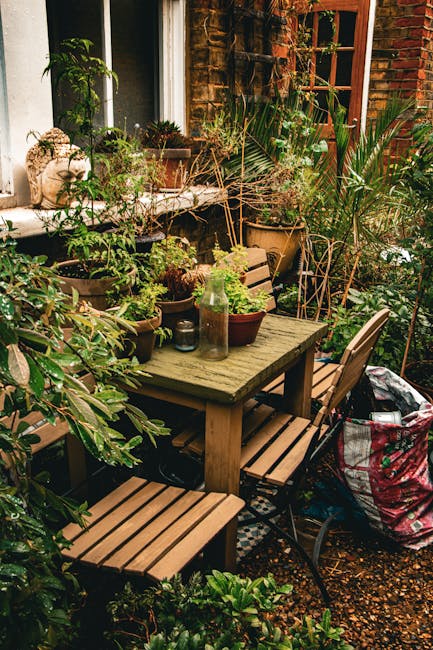
Same day gardeners Hackney for urgent garden repairs
When a fence leans after a windy night, a broken gate won't close properly, or a garden path turns slippery right before visitors arrive, you need help fast. That is exactly where same day gardeners Hackney for urgent garden repairs come in. The job is not just to make a garden look tidy. It is to make it safe, usable, and stable again without a long wait.
In Hackney, gardens often have tight access, shared boundaries, older timber fencing, and patchwork patios that have seen better days. So urgent repairs can be a little more involved than people expect. The good news? A skilled local gardener can usually assess the issue quickly, prioritise the risk, and carry out practical fixes on the same day where possible. This guide explains how it works, what to expect, and how to choose the right help without rushing into the wrong decision. Because let's face it, when something is broken in the garden, you want calm, not chaos.
For a broader look at the range of garden work available locally, you can also explore the services overview and learn more about the team on the about us page.
Table of Contents
- Why Same day gardeners Hackney for urgent garden repairs Matters
- How Same day gardeners Hackney for urgent garden repairs Works
- Key Benefits and Practical Advantages
- Who This Is For and When It Makes Sense
- Step-by-Step Guidance
- Expert Tips for Better Results
- Common Mistakes to Avoid
- Tools, Resources and Recommendations
- Law, Compliance, Standards, or Best Practice
- Options, Methods, or Comparison Table
- Case Study or Real-World Example
- Practical Checklist
- Conclusion
- Frequently Asked Questions
Why Same day gardeners Hackney for urgent garden repairs Matters
Urgent garden repairs are about more than appearances. A garden that has a broken fence panel, loose paving, or storm-damaged planting can become a safety issue very quickly. Children, pets, neighbours, and even delivery drivers can be affected if the space is unstable or partly exposed. In a dense area like Hackney, a weak boundary or damaged access point can also create privacy concerns and leave you feeling a bit on edge.
There is another side to this too. Damage tends to get worse if it is ignored. A small gap in a fence becomes a larger gap. A raised paving slab becomes a trip hazard. Water finds its way into loose soil, undermines edges, and before long the repair is no longer simple. That is why same-day support is so useful: it stops the problem spreading.
People often assume urgent garden repair means dramatic, expensive work. Not always. Sometimes it is a quick stabilisation job, like re-setting a post, securing a broken gate latch, or making a damaged area safe until a fuller repair can be planned. That practical first response is often the smartest move.
Expert summary: same-day garden repairs are most valuable when the priority is safety, access, privacy, or preventing further damage. Speed matters, but a proper assessment matters just as much.
How Same day gardeners Hackney for urgent garden repairs Works
The process is usually more straightforward than people expect. You contact the gardener, explain the issue clearly, and share a few photos if you can. That gives the gardener a chance to decide whether the work is suitable for a same-day visit and what tools or materials may be needed. If access is awkward, or the job involves heavy lifting, that is worth mentioning early. No point pretending the broken fence panel is a three-minute job if it clearly is not.
Once the visit is agreed, the gardener will normally arrive, inspect the damage, and confirm the best fix. For urgent repairs, this can mean:
- making the area safe immediately
- carrying out a temporary stabilisation
- repairing or replacing damaged components
- tidying debris and waste from the work area
- advising what may need a later follow-up visit
Some jobs can be completed in one visit. Others can only be partially resolved on the same day because parts, timber, fixings, or specific materials are needed. That is normal. A good gardener will tell you plainly what can be finished now and what should wait. Honest answers save time.
If your issue is linked to wider garden maintenance, such as overgrown edges or neglected beds making repairs difficult to reach, it may help to combine the urgent fix with ongoing care. The full service range is often the easiest place to see how that kind of joined-up approach works.
Key Benefits and Practical Advantages
The obvious benefit is speed. But there is more to it than that. A local same-day gardener can reduce stress, keep your outdoor space functioning, and prevent a problem from turning into a bigger bill later. In our experience, that immediate sense of relief matters more than people expect. You look out of the window and think, right, that is being handled today. Relief, simple as that.
Here are the main advantages:
- Fast response: useful when a broken boundary, slippery surface, or collapsed feature needs attention quickly.
- Lower risk of escalation: fixing damage early can stop further structural deterioration.
- Safer garden access: helpful for families, landlords, and anyone with regular visitors or tenants.
- Better first impression: important if you are preparing a property for letting, sale, or guests.
- More practical planning: a same-day visit can help identify whether the issue needs a temporary or permanent repair.
There is also a small but real benefit to having a local team. Hackney gardens often have narrow side access, shared pathways, and awkward rear entrances. A gardener who understands those conditions is usually quicker to assess what is possible and what is not. That local awareness saves wasted time.
Who This Is For and When It Makes Sense
This type of service is useful for a wide range of people. Homeowners often need it after bad weather, accidental damage, or a long-overdue maintenance issue that finally gives way. Landlords may need urgent repairs between tenancies or after a tenant reports something unsafe. Letting agents and property managers also use same-day gardeners when a garden issue might hold up a move-in or create a complaint.
It makes sense when the problem is time-sensitive rather than purely cosmetic. For example:
- a fence panel has blown loose and could fall
- a gate will not shut securely
- paving has lifted and someone could trip
- shallow roots or loose soil are exposing edges
- an overgrown area is hiding damage or restricting access
- storm debris has blocked paths or drains
Sometimes the job seems urgent because of the setting rather than the damage itself. Maybe you have guests arriving in the evening. Maybe the neighbour's side gate is exposed. Maybe the garden is used by children or elderly relatives. That changes the priority. The same broken slab feels different when someone actually has to walk over it, doesn't it?
If you are weighing up whether to book, it can help to check pricing information first. The pricing and quotes page is a sensible place to understand how quotes are usually approached before you commit.
Step-by-Step Guidance
If you want the smoothest possible same-day repair, a little preparation helps. Here is the practical sequence that usually works best.
- Identify the immediate risk. Is it a safety issue, a security issue, or mainly an appearance issue? Be honest about which one it is.
- Take a few clear photos. Wide shots and close-ups help the gardener understand the scale of the problem before arrival.
- Describe the access. Note whether the repair is through a side gate, narrow passage, shared entrance, or flat access.
- List any materials or features involved. Timber fence, concrete post, paving slab, rotten sleeper, gate hinge, and so on.
- Ask what can happen today. Some repairs can be completed immediately; others may only be made safe pending a fuller fix.
- Confirm costs and timing. A clear quote or estimate should come before work begins, especially if the job may expand once opened up.
- Check the finish. Look at the repaired area once the work is done and make sure it is safe, level, and secure.
That is the simple version, at least. Sometimes a garden repair reveals two or three hidden issues once the first layer is lifted. Rotten timber, poor drainage, unstable fixings. It happens. A good gardener will explain this without making a drama of it.
Expert Tips for Better Results
If you want the repair to hold up properly, there are a few things worth doing. None of them are flashy, but they matter.
- Be specific about the problem. "Fence broken" is less useful than "two panels are loose and one post is leaning."
- Send photos before the visit. It helps with planning and avoids surprises.
- Ask about temporary versus permanent repair. This is especially important after storm damage.
- Keep the workspace clear. A tidy approach saves time and reduces the chance of accidental damage.
- Think ahead about follow-up maintenance. If a repair happened because the garden has become neglected, it may be worth scheduling regular upkeep.
One practical trick: if the repair involves a boundary or access point, check both sides where relevant. A hinge that looks fine from your side may be failing at the fixings. A slab that appears level might be sitting on soft ground beneath. The visible issue is sometimes only half the story.
For example, if a fence post has started to wobble after heavy rain, simply tightening the panel may buy a few days, but it will not solve the soft footing underneath. That is why an experienced gardener looks at the cause, not just the symptom. Sensible, really.
Common Mistakes to Avoid
Urgent jobs can tempt people into shortcuts. Fair enough. But a few common mistakes can make the outcome worse.
- Choosing only on speed. Fast is good, but you still need someone who understands garden repair properly.
- Under-describing the job. If you leave out access problems or hidden damage, the visit may not be efficient.
- Ignoring drainage or soil movement. Surface repairs can fail if the ground underneath is unstable.
- Delaying action after a temporary fix. A make-safe repair is useful, but it is not always the final answer.
- Skipping written confirmation. Even for small jobs, clarity on scope and cost helps avoid confusion.
Another mistake is assuming all garden jobs are the same. They are not. Repairing a gate, re-seating paving, and stabilising a boundary all require different tools and judgment. You would not use the same approach for each, and you definitely would not want someone pretending otherwise.
Tools, Resources and Recommendations
For urgent repairs, the best results usually come from having the right tools at hand before the work begins. A professional gardener may use hand tools, fixing hardware, cutting equipment, levelling tools, and basic safety gear depending on the job. You do not need to supply any of that yourself, of course, but it helps to understand what is typically involved.
Common repair-related tools and materials may include:
- secateurs, loppers, and pruning tools for access clearance
- spades and digging tools for post or edging work
- levels for paving and alignment checks
- screws, brackets, hinges, and fixings for gates or panels
- timber, gravel, soil, or replacement edging materials
- protective gloves and appropriate footwear
On the service side, there are a few useful pages to check before booking. The health and safety policy is helpful if you want reassurance about working practices, while the insurance and safety information is a sensible read if the repair involves access, tools, or potentially unstable structures. If you want to understand how payments are handled, the payment and security page is worth a look too.
If you prefer to make an enquiry straight away, the contact us page is the quickest route. No need to overthink it when the garden is already giving you enough to deal with.
Law, Compliance, Standards, or Best Practice
For garden repairs, the most relevant point is usually safe working practice. That means clear communication, appropriate equipment, and an honest view of what can be done safely on the day. If a repair involves ladders, power tools, heavy lifting, or unstable structures, the gardener should take a cautious approach rather than rushing.
In domestic settings, there is no single universal rule for every repair type, but UK best practice normally includes:
- carrying out a basic risk check before work starts
- keeping paths and access points reasonably clear
- using suitable protective equipment
- making the area safe if work cannot be finished immediately
- being clear about limits where structural work is beyond scope
It is also sensible to distinguish between a garden repair and a construction or structural repair. A gardener can often stabilise, repair, and tidy many outdoor issues, but some jobs may require a different specialist if the damage is severe. A trustworthy provider will say so. That honesty is worth a lot.
If you want to check how the business handles standards, disputes, or sensitive policies, the site also provides pages on terms and conditions, complaints procedure, privacy policy, and accessibility statement. Those pages are not glamorous, granted, but they do matter for trust.
Options, Methods, or Comparison Table
Not every urgent garden problem needs the same response. Here is a simple comparison of common approaches.
| Repair approach | Best for | Speed | Typical outcome |
|---|---|---|---|
| Temporary make-safe fix | Storm damage, loose panels, unsafe access | Very fast | Stops risk immediately, may need follow-up |
| Same-day permanent repair | Smaller jobs with available materials | Fast | Problem resolved in one visit |
| Staged repair plan | Hidden damage, rotten timber, unstable ground | Moderate | Issue is assessed and completed in phases |
| Full garden maintenance visit | Overgrowth plus minor damage | Fast to moderate | Improves access and tidies the whole area |
So which option is best? It depends on the cause, the level of risk, and whether materials are available immediately. A quick fence brace might be enough until the next dry spell. On the other hand, a broken gate on a busy side entrance probably needs a firmer solution right away.
Case Study or Real-World Example
Here is a simple, realistic example. A homeowner in Hackney notices that a rear fence has come loose after a windy night. One panel is partly detached, and the post has shifted enough to leave a gap. It is not a full collapse, but it is clearly not secure. The garden is overlooked, so privacy matters, and there is also a dog that uses the space.
The homeowner sends photos and explains the access is through a narrow side passage. A same-day gardener visits, checks the damaged section, clears a bit of debris, and secures the area so it cannot move further. The post is assessed and found to be salvageable for now, but the base needs a proper follow-up repair with better support. The immediate danger is dealt with, the dog can go back outside safely, and the homeowner is not left staring at a wobbling fence all week. Small win, but a real one.
That kind of job shows the value of urgent garden repair work. It does not always need to be dramatic. Often it is simply timely, careful, and practical. That is what people really want.
Practical Checklist
Use this quick checklist before you book or during the first call.
- Describe the damage clearly and mention any safety concern
- Take photos in daylight if possible
- Check whether access is straightforward or awkward
- Note if pets, children, tenants, or neighbours could be affected
- Ask whether the job can be completed the same day or only made safe
- Confirm whether materials are likely to be needed
- Ask for a clear quote or estimate before work starts
- Check how debris and waste will be handled
- Find out whether a follow-up visit is recommended
- Make sure the repaired area is stable before it is used again
Quick takeaway: the smoother you make the initial assessment, the faster the repair can be completed. A few good photos and a clear description can save a lot of back-and-forth.
Conclusion
Same-day garden repairs are one of those services you do not think much about until you really need them. Then they matter a great deal. Whether the issue is a loose fence, a broken gate, a dangerous slab, or storm damage that needs immediate attention, the goal is simple: make the garden safe and usable again without unnecessary delay.
The best results come from clear communication, realistic expectations, and a gardener who understands both urgency and detail. You want someone who can act quickly, yes, but also spot the underlying cause so the same problem does not come back two weeks later. That balance is the real value.
If you are ready to move forward, a fast local response can make all the difference.
Get a free quote today and see how much you can save.
Frequently Asked Questions
What counts as an urgent garden repair?
An urgent garden repair is anything that affects safety, security, access, or prevents normal use of the garden. Common examples include fallen fencing, broken gates, loose paving, and storm damage.
Can a gardener really come out the same day in Hackney?
Often, yes, if the schedule allows and the job is suitable for a same-day visit. The fastest way to improve your chances is to send photos and a clear description of the issue as early as possible.
What if the repair cannot be finished on the day?
Then the gardener may make the area safe first and return later for a fuller fix. That is a normal approach, especially if materials need to be sourced or hidden damage is uncovered.
How do I know if I need a gardener or a different tradesperson?
If the issue is mostly outside maintenance, fencing, planting, paving, or general garden safety, a gardener is often the right first call. If the damage is clearly structural or severe, the job may need a different specialist.
Should I send photos before booking?
Yes, definitely. Photos help the gardener judge urgency, access, and likely materials before they arrive. It saves time and usually leads to a better quote.
Are urgent garden repairs expensive?
They can cost more than routine maintenance because they need a faster response and sometimes extra planning. But not every urgent job is large or costly. Small make-safe repairs are often quite manageable.
Will the gardener clear away debris after the repair?
That depends on the job and the agreement, but tidy-up is commonly included or at least discussed upfront. It is worth asking so there are no surprises later.
What should I do if a fence is partly fallen but still standing?
Keep people and pets away from the area and avoid pushing it back into place yourself. A partially failed fence can shift suddenly, especially if the ground is soft or windy.
Do I need to be home during the repair?
It is usually best to be available at the start, especially for urgent work, so you can confirm the issue and agree the scope. After that, some jobs can be handled with less involvement if arrangements are clear.
How soon should I book after storm damage?
As soon as practical. Even if the damage looks minor, wind and rain can make it worse quickly. Early action often saves money and avoids further disruption.
Can same-day gardeners help with overgrown areas too?
Yes. Overgrowth often goes hand in hand with repairs because it hides broken edges, damaged timber, and trip hazards. Clearing access can be part of the solution, not just an extra.
Where can I find service and policy information before I book?
You can review the services overview, pricing and quotes, and the support pages for insurance and safety and health and safety.
A broken garden should not hang over your week like a nagging little problem. Sort the urgent part first, breathe easier, and let the rest be handled properly in good time.